
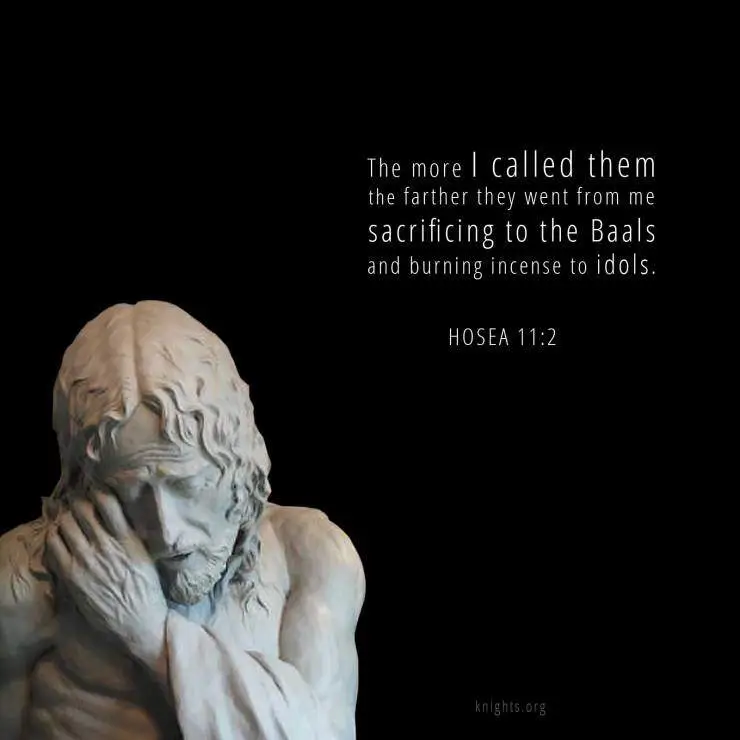
Closer to Us Than We Want Him to Be
Many would prefer to keep God at a safe distance.
We push Him into the far reaches of the cosmos — the Watchmaker God, the abstract Principle, the distant Being who sets things in motion and then steps aside. Even sophisticated language about science, randomness, or autonomy can serve the same purpose: creating space between ourselves and the unsettling nearness of God.
But the God revealed in Jesus Christ refuses to remain distant.
He draws closer than we are comfortable with.
Closer than our arguments.
Closer than our defenses.
Closer than our carefully maintained independence.
The Christian God is not content to remain an idea. He enters history, takes on our humanness, and walks among us. Lest we relegate Him to royalty, He chose to be born in poverty. Lest we claim He had the privilege of fame, He lived most of His years in a hidden life. Lest we dismiss Him as omniscient and immortal, He handed Himself over to suffering and death. This is not the behavior of a distant deity. This is the posture of a loving God who desires communion.
Yet it is precisely this closeness that disturbs us.
A distant God can be discussed.
A distant God can be managed.
A distant God can be admired without requiring conversion.
Closeness requires response
But a God who is near — a God who knows us, sees us, and remains with us — requires something more. His presence exposes our evasions and unmasks our attempts to control our own lives. The nearness of God reveals not only His boundless love, but our reluctant resistance.
In the Eucharist, this closeness reaches its summit.
Here, Christ does not merely speak to us or inspire us. He remains. He abides. He gives Himself to us — body to body. The Lord of heaven and earth makes Himself vulnerable — silent, hidden, and dependent upon our reverence.
This is a closeness that we did not invent and cannot dilute.
Redemptive not sentimental
The Eucharistic Lord does not stand at a distance offering advice. He draws near to heal, to sanctify, and to remain. He comes close not because we are worthy, but because we need Him. His closeness is not sentimental; it is redemptive.
This is where resistance often arises.
It is easier to speak about God than to remain with Him.
Easier to analyze faith than to surrender to it.
Easier to admire Christ than to open our hearts and allow Him to dwell within us.
Yet the Christian life is not an exercise in maintaining a safe distance. It is a call to abide — to choose to remain with the One who has already chosen to remain with us.
The closeness of God is not an idea to analyze, but a presence to receive.
If we find ourselves uneasy with how near God has come, it may be because His nearness beckons for trust rather than control, surrender rather than strategy. Still, He does not withdraw. He waits — patiently, quietly — closer to us than we want Him to be, and closer than we could ever deserve.
Rejoice Every Day in Your Faith: The Meaning of the Nicene Creed
Discover the meaning of the Nicene Creed and learn how praying it daily can deepen your faith and unite you with the Church throughout the world.

Reaching Out In The Procession
A Eucharistic procession publicly proclaims Christ’s real presence in the Blessed Sacrament. Discover its meaning and spiritual power.

Look to Mary and find your knighthood!
Discover how devotion to the Blessed Virgin Mary forms true knights of Christ — courageous, faithful, and consecrated to her Son.

Three Knots That Our Lady Helps Us Keep Tied
The three knots on the Franciscan cincture represent poverty, chastity, and obedience — and Our Lady strengthens us to keep them faithfully tied.

That August(ine) Moment!
St. Augustine teaches us that our restlessness ends only when we admit our deep need for God and surrender to His mercy.
Making Reparation to the Sacred Heart of Jesus
What does it mean to make reparation to the Sacred Heart of Jesus? Learn how prayer, sacrifice, and charity console the Heart of Christ.

The Lord Is Our Shield and Our Strength
When life feels overwhelming, Sacred Scripture reminds us that the Lord is our shield and strength, our refuge in every trial.
The Cross: Commanding yet Merciful
Why the World Fears the Cross The Cross is not merely a religious symbol. It is a revelation. It reveals what love truly looks

Silence: Approach Not Abandonment
God’s silence is not absence but invitation. A Franciscan reflection on prayer, trust, and learning to listen when God seems quiet.

The Sword of Purity: Chastity in a Modern World
The Sword of Purity: Chastity in a Modern World To the modern mind, chastity sounds like unnecessary self-deprivation. It sounds like a list of