
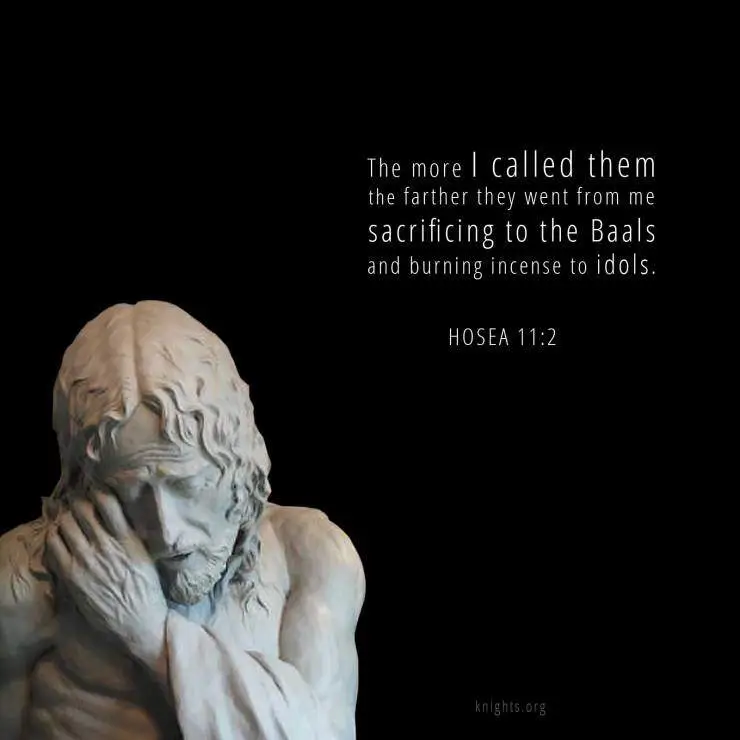
Closer to Us Than We Want Him to Be
Many would prefer to keep God at a safe distance.
We push Him into the far reaches of the cosmos — the Watchmaker God, the abstract Principle, the distant Being who sets things in motion and then steps aside. Even sophisticated language about science, randomness, or autonomy can serve the same purpose: creating space between ourselves and the unsettling nearness of God.
But the God revealed in Jesus Christ refuses to remain distant.
He draws closer than we are comfortable with.
Closer than our arguments.
Closer than our defenses.
Closer than our carefully maintained independence.
The Christian God is not content to remain an idea. He enters history, takes on our humanness, and walks among us. Lest we relegate Him to royalty, He chose to be born in poverty. Lest we claim He had the privilege of fame, He lived most of His years in a hidden life. Lest we dismiss Him as omniscient and immortal, He handed Himself over to suffering and death. This is not the behavior of a distant deity. This is the posture of a loving God who desires communion.
Yet it is precisely this closeness that disturbs us.
A distant God can be discussed.
A distant God can be managed.
A distant God can be admired without requiring conversion.
Closeness requires response
But a God who is near — a God who knows us, sees us, and remains with us — requires something more. His presence exposes our evasions and unmasks our attempts to control our own lives. The nearness of God reveals not only His boundless love, but our reluctant resistance.
In the Eucharist, this closeness reaches its summit.
Here, Christ does not merely speak to us or inspire us. He remains. He abides. He gives Himself to us — body to body. The Lord of heaven and earth makes Himself vulnerable — silent, hidden, and dependent upon our reverence.
This is a closeness that we did not invent and cannot dilute.
Redemptive not sentimental
The Eucharistic Lord does not stand at a distance offering advice. He draws near to heal, to sanctify, and to remain. He comes close not because we are worthy, but because we need Him. His closeness is not sentimental; it is redemptive.
This is where resistance often arises.
It is easier to speak about God than to remain with Him.
Easier to analyze faith than to surrender to it.
Easier to admire Christ than to open our hearts and allow Him to dwell within us.
Yet the Christian life is not an exercise in maintaining a safe distance. It is a call to abide — to choose to remain with the One who has already chosen to remain with us.
The closeness of God is not an idea to analyze, but a presence to receive.
If we find ourselves uneasy with how near God has come, it may be because His nearness beckons for trust rather than control, surrender rather than strategy. Still, He does not withdraw. He waits — patiently, quietly — closer to us than we want Him to be, and closer than we could ever deserve.

What Is Mortal Sin? Definition, Conditions, and Catholic Teaching
What is mortal sin? Discover the Catholic definition, the three conditions required, and how mortal sin differs from venial sin.

A Puff of Sin: How Small Sins Grow Into Spiritual Storms
Even small sins can weaken the soul over time. Discover how venial sins grow, how to guard your heart, and how grace restores strength in Christ.

Help Make Our Lady Known and Loved!
Discover how praying the Holy Rosary helps make Our Blessed Mother known and loved, and learn how you can join the worldwide Bridge of Rosaries through the Confraternity of the Most Holy Rosary.

A Knighthood Perfected by Defeat
Before he was a saint, Francis was a soldier. Explore the turning point at Spoleto where a worldly defeat became a spiritual victory.

How Humility Protects the Soul from Evil
Humility shields the soul from pride and temptation. Learn why obscurity borne in faith may shine brighter than public honor.

The Divine Praises by St. Francis of Assisi
You are holy, Lord, the only God, and Your deeds are wonderful. You are strong. You are great. You are the Most High. You

From Storms to Springtime: How Persecution Purifies the Church
From Communist persecution to renewal, history shows that suffering purifies the Church and prepares a new springtime of faith.
A Time of Sifting Within the Church, The Prophetic Voice of Cardinal Ratzinger
In 1969, Father Joseph Ratzinger delivered a prophetic message about a coming purification of the Church — a sifting that would lead to renewal and deeper faith.
Fifteen Minutes in the Company of Jesus in the Blessed Sacrament
A tender prayer often known as Fifteen Minutes with Jesus, written as a loving conversation with Our Lord and especially suited for Eucharistic adoration before the Blessed Sacrament.

How to Sanctify Your Spiritual Battle Each Day
Sanctify your daily battle for purity and fidelity by offering your struggles to Christ and allowing His grace to transform you.