

The Meaning of a Eucharistic Procession
The Eucharistic procession is not merely a beautiful Catholic custom. It is a public proclamation that Jesus Christ is truly present in the Blessed Sacrament. From the visit of the Magi to the Way of the Cross, the history of salvation has always involved movement — a procession of souls toward the Lord.
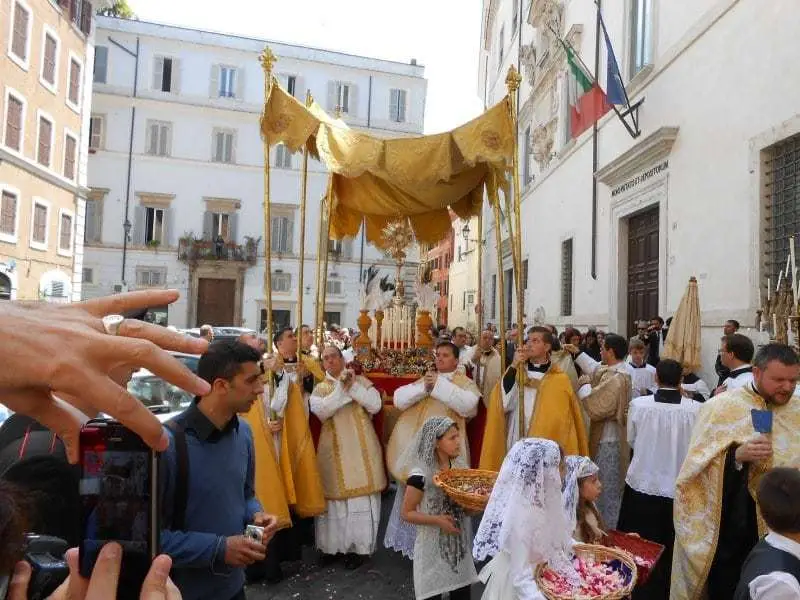
When the Church carries the Blessed Sacament through streets, fields, and cities, she declares that Christ does not belong hidden in private devotion alone. He walks among His people. He blesses homes, communities, and nations. He invites every soul to reach out and touch the hem of His garment.
Reaching Out Like the Woman in the Gospel
In the Gospel of Mark, a woman suffering for twelve years pressed through the crowd and touched the cloak of Jesus, saying to herself, “If I touch even his garments, I shall be made well” (Mark 5:28). Her faith was bold. Her gesture was simple. Her healing was immediate.
A Eucharistic procession invites us to do the same. We step out from routine and complacency. We move toward Christ. We bring Him our needs, our gratitude, our wounds, and our petitions. The procession becomes a living Gospel scene — Christ passing by, and we reaching out in faith.
A Witness to the World
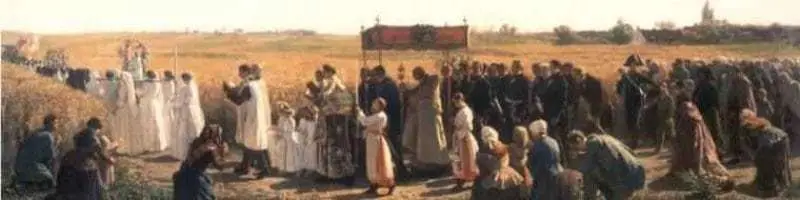
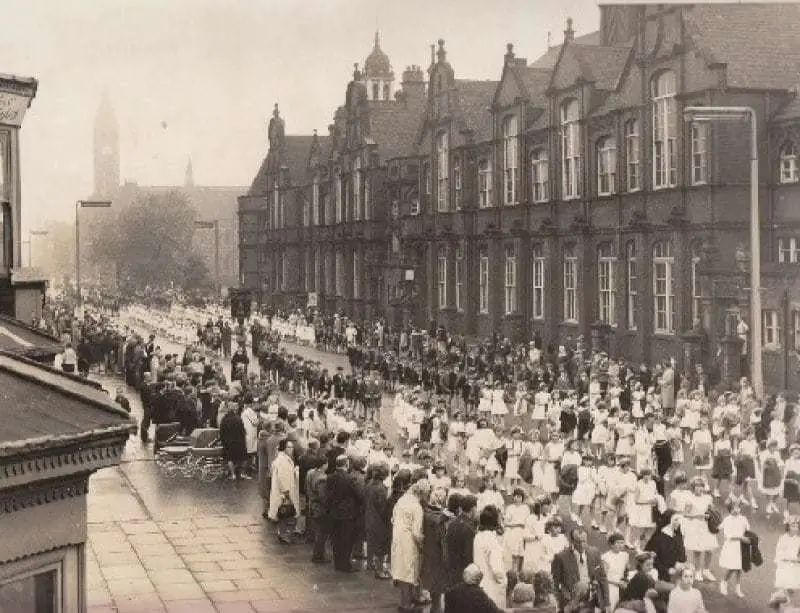
Throughout history, Eucharistic processions have been signs of courage and fidelity. In times of peace, they are celebrations. In times of persecution, they are acts of defiance against unbelief.
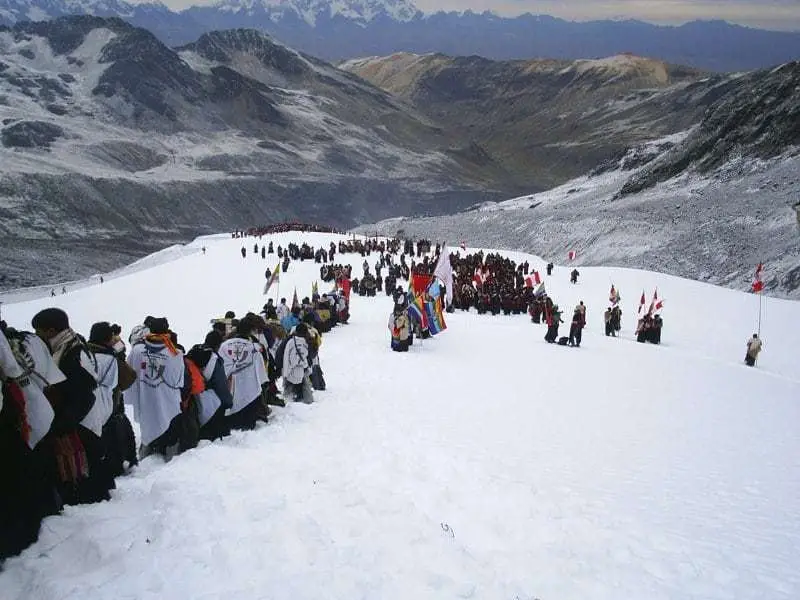
From ancient villages to modern city streets, the faithful have followed the monstrance with hymns and reverence. Even when laws attempted to silence the Church, believers continued to walk behind their Eucharistic King. The procession reminds the world that Christ reigns — not politically, but sacramentally.
Living the Procession Daily
The procession does not end when Benediction concludes. We are called to carry Christ into the world by our lives. Reverence at Mass must become charity in action. Adoration must become fidelity. Public witness must become daily holiness.
Bring Jesus the gift of yourself in adoration. Reach out and touch the hem of His garment. Join your life to His, and let the grace received in procession transform your home, your parish, and your community.
Why the Eucharistic Procession Still Matters Today
In a world increasingly indifferent to faith, the Eucharistic procession remains a bold act of public witness. It proclaims that Jesus Christ is not an idea, not a memory, and not a private sentiment. He is truly present in the Blessed Sacrament. When Catholics kneel in the streets before the monstrance, they are declaring that Christ is Lord of every home, every nation, and every human heart.
The Eucharistic procession also reminds us that faith is not meant to be hidden. Just as Christ walked the dusty roads of Galilee, healing and teaching, He now passes through our streets sacramentally. The procession becomes a visible sign that God has not abandoned His people. He walks with them.
To participate in a Catholic Eucharistic procession is to step outside comfort and into devotion. It is to acknowledge that Christ deserves reverence not only inside church walls but in the public square. In this way, the procession strengthens believers and quietly invites the world to believe.
Scriptural Roots of the Eucharistic Procession
Include:
Exodus (Ark of the Covenant carried in procession)
2 Samuel (David dancing before the Ark)
Luke 1 (Visitation as first “procession”)
Mark 5 (Woman touching garment)
Real Presence language
The Eucharistic procession is not a medieval invention or a devotional novelty. Its roots reach deeply into Sacred Scripture. In the Old Testament, the Ark of the Covenant — the visible sign of God’s dwelling among His people — was carried in solemn procession. King David danced before the Ark as it was brought into Jerusalem (2 Samuel 6:14), recognizing that the Lord Himself was passing through the city.
For Catholics, the Blessed Sacrament is the fulfillment of what the Ark foreshadowed. The Ark contained the manna from heaven, the tablets of the Law, and the rod of Aaron. The Eucharist contains Christ Himself — the true Bread from Heaven, the Word made flesh, and the Eternal High Priest. When the Church carries the Blessed Sacrament in procession, she proclaims that God still dwells with His people.
The Gospel also presents moments of sacred movement toward Christ. Crowds followed Him through towns and villages. The woman suffering for twelve years pressed through the multitude to touch His garment (Mark 5:28). Salvation came through encounter. A Eucharistic procession makes that encounter visible again: Christ passes by, and we step forward in faith.
From the desert journey of Israel to the streets of our cities today, God leads His people in procession. The Eucharistic procession is a public witness that Jesus Christ is truly present — not hidden, not distant, but walking among us still.
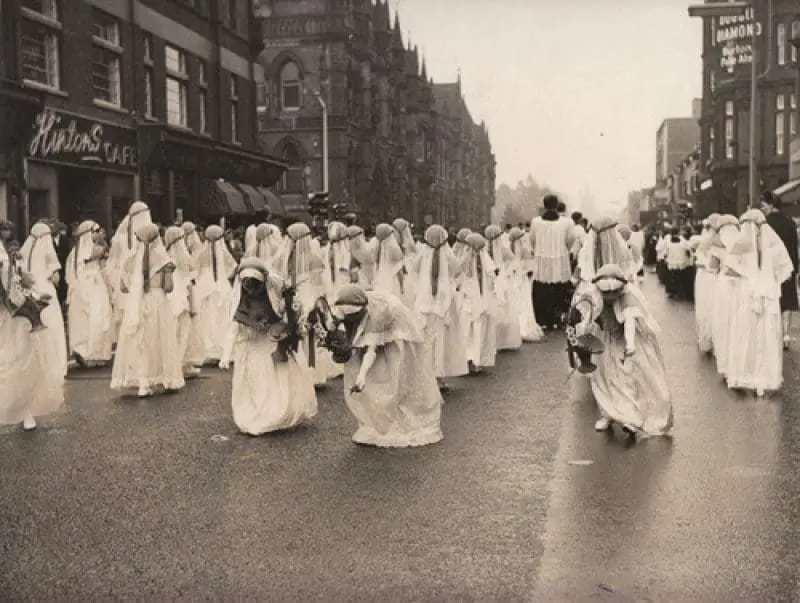
Biblical Foundations of a Eucharistic Procession
The Eucharistic procession is not a medieval invention or a devotional novelty. Its roots reach deeply into Sacred Scripture. In the Old Testament, the Ark of the Covenant — the visible sign of God’s dwelling among His people — was carried in solemn procession. King David danced before the Ark as it was brought into Jerusalem (2 Samuel 6:14), recognizing that the Lord Himself was passing through the city.
For Catholics, the Blessed Sacrament is the fulfillment of what the Ark foreshadowed. The Ark contained the manna from heaven, the tablets of the Law, and the rod of Aaron. The Eucharist contains Christ Himself — the true Bread from Heaven, the Word made flesh, and the Eternal High Priest. When the Church carries the Blessed Sacrament in procession, she proclaims that God still dwells with His people.
The Gospel also presents moments of sacred movement toward Christ. Crowds followed Him through towns and villages. The woman suffering for twelve years pressed through the multitude to touch His garment (Mark 5:28). Salvation came through encounter. A Eucharistic procession makes that encounter visible again: Christ passes by, and we step forward in faith.
From the desert journey of Israel to the streets of our cities today, God leads His people in procession. The Eucharistic procession is a public witness that Jesus Christ is truly present — not hidden, not distant, but walking among us still.