
Originally published September 2, 2018; substantially revised October 5, 2026.
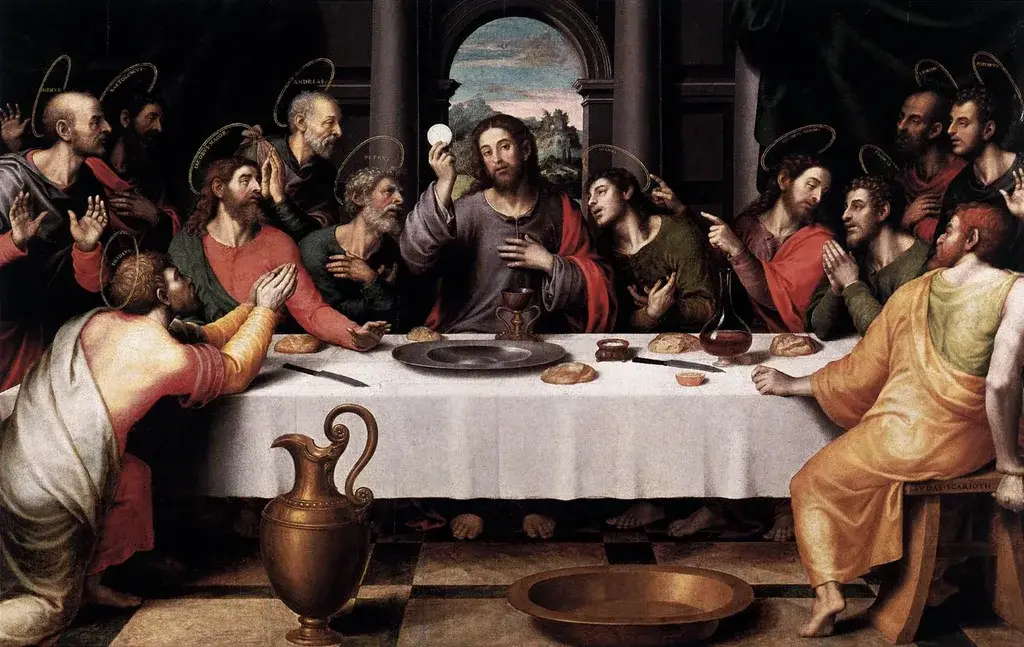
The effects of Holy Communion reach far beyond the few minutes we spend at the altar rail or in the Communion procession. When we receive Jesus worthily, he deepens our union with himself, strengthens the life of grace, separates us from sin, binds us more closely to the Church, and teaches us to love our neighbor.
The Eucharist is not simply a reminder of Jesus. We receive Christ himself—Body, Blood, Soul, and Divinity—and he begins to shape our lives according to his own self-giving love.
What Are the Effects of Holy Communion?
The Catechism gathers the principal fruits of Holy Communion in its teaching on the Eucharist (CCC 1391–1401). They belong together. Communion unites us to Christ, and because we are united to him, our charity is strengthened, our sins are healed, our unity with the Church grows, and our hearts are prepared for eternal life.
1. Holy Communion Deepens Our Union with Christ
The first and greatest effect of Holy Communion is a more intimate union with Jesus. He tells us, “He who eats my flesh and drinks my blood abides in me, and I in him” (John 6:56).
Every worthy Communion renews and strengthens the life we first received in Baptism. Jesus does not merely visit the soul from a distance. He gives himself as food so that our thoughts, desires, work, and suffering can become more deeply united to his life.
2. The Eucharist Nourishes the Life of Grace
As ordinary food sustains bodily life, the Eucharist nourishes supernatural life. Holy Communion increases sanctifying grace and gives spiritual strength for the duties God has entrusted to us.
This grace is especially important in ordinary faithfulness: forgiving someone again, resisting a familiar temptation, completing hidden work with love, or remaining patient when prayer feels dry. Christ feeds us so that we can live as his disciples after Mass has ended.
3. Holy Communion Forgives Venial Sin and Guards Against Mortal Sin
The Eucharist cleanses us from venial sins and helps preserve us from future mortal sin. It strengthens charity, and the stronger our love for Christ becomes, the less willing we are to turn away from him.
Holy Communion is not, however, the ordinary means of forgiveness for mortal sin. A Catholic who is conscious of mortal sin should ordinarily receive sacramental absolution before Communion. Our companion article explains who can receive Holy Communion and how to prepare.
4. Communion Strengthens Christian Charity
At the altar, we receive the One who gave himself completely for us. His sacrificial love begins to reshape our own. Communion strengthens our ability to love God and neighbor, not only in generous moments but also through patience, forgiveness, sacrifice, and service.
If we receive Christ while refusing every demand of charity, something is divided within us. Eucharistic devotion should make us more attentive to the lonely, the suffering, the forgotten, and those whose needs interrupt our plans.
5. The Eucharist Builds the Unity of the Church
Holy Communion unites us not only to Christ but also to the members of his Mystical Body. St. Paul writes, “Because there is one bread, we who are many are one body, for we all partake of the one bread” (1 Corinthians 10:17).
At the Eucharistic altar, Catholics of different ages, backgrounds, and vocations receive the same Lord. Christ draws us beyond isolation and teaches us to carry one another’s burdens as members of one Body.
6. Communion Commits Us to the Poor
The Eucharist cannot be separated from love of the poor. The Christ whom we adore and receive is also the Lord who identifies himself with the hungry, the sick, the stranger, and the imprisoned (Matthew 25:31–46).
Reception of Holy Communion should make our hands more ready to serve. The Catechism’s teaching on the fruits of Holy Communion says plainly that we must recognize Christ in the poorest if we are to receive him truly.
7. The Eucharist Is a Pledge of Future Glory
Every Communion directs us toward heaven. The Eucharist is a foretaste of the wedding feast of the Lamb and a promise of the resurrection of the body. We receive the risen Christ, who has conquered death and is preparing us to share his life forever.
This is why Holy Communion brings hope in suffering. Our present trials are real, but they do not have the final word. Christ is already nourishing within us the life that will reach its fullness in the Kingdom.
Why Don’t I Feel Different After Communion?
Many Catholics ask this. The effects of Holy Communion do not depend on feelings. A person may receive while tired, distracted, or struggling, and Christ still comes to him or her completely. The grace of the sacrament works quietly, and its fruit is usually recognized over time rather than in the moment.
That fruit tends to show up in ordinary ways: more patience at home or at work, courage to accept a hard duty, a growing desire to pray, or the grace to begin again after a failure. What we bring also matters. Receiving with faith, staying a few minutes in thanksgiving, and returning to the sacrament often all help the grace take root.
How to Let the Fruits of Communion Grow
- Remain in prayer and thanksgiving for a few minutes after Mass.
- Ask Jesus for one specific grace you need to live faithfully.
- Carry the charity of the altar into one concrete act of service.
- Guard against deliberate sin and return promptly to Confession when needed.
- Make a spiritual Communion when you cannot attend Mass or receive sacramentally.
A Prayer After Holy Communion
Lord Jesus Christ, thank you for giving yourself to me in the Holy Eucharist. Deepen my union with you, strengthen your grace within me, cleanse me from sin, and enlarge my heart in charity. Unite me more closely to your Church, teach me to recognize you in the poor, and prepare me for the joy of eternal life. May everything I do become a thanksgiving for your presence. Amen.
If Eucharistic prayer is awakening a desire to give your whole life to Christ, you are welcome to learn more about discerning a vocation with the Knights.