
Originally published October 21, 2016. Substantially revised in October 2026 for clarity, reliable sourcing, and pastoral usefulness.
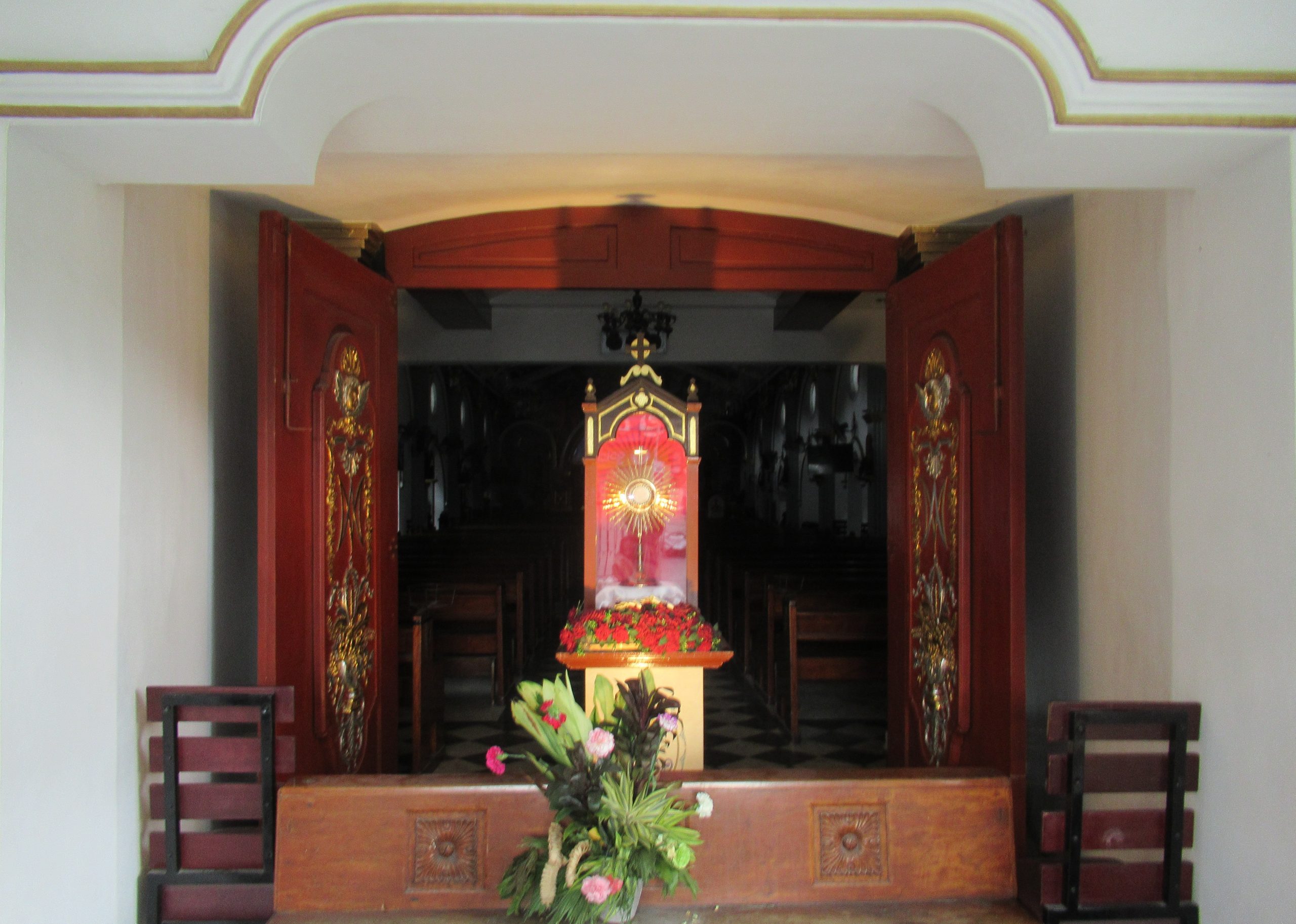
Pope Francis’ Eucharistic adoration teaching offers a simple but demanding lesson: knowing facts about Jesus is not the same as knowing Him personally. The Gospel and the Catechism teach us who Christ is, but prayer and adoration draw us into a living relationship with Him.
During Mass at the chapel of the Domus Sanctae Marthae on October 20, 2016, Pope Francis reflected on St. Paul’s prayer in Ephesians 3:14–21. Paul kneels before the Father and asks that believers be strengthened by the Holy Spirit, that Christ may dwell in their hearts, and that they may begin to grasp the immeasurable love of Christ.
The Holy See’s account of the homily, prepared by L’Osservatore Romano, presents three closely connected paths toward deeper knowledge of Christ: prayer, adoration, and humble self-knowledge.
What Did Pope Francis Say About Knowing Christ?
Reading the Gospel is indispensable. Studying the Catechism is indispensable. Through them, the Church faithfully hands on what God has revealed and protects us from reducing Jesus to a figure of our imagination.
Yet Christian faith is more than information. A person may know many doctrines about Christ while remaining distant from Him in prayer. Pope Francis therefore distinguished between knowing truths about Jesus and entering, by grace, into the mystery of His Person.
St. Paul’s prayer in Ephesians points beyond merely intellectual comprehension. He asks that Christians be rooted and grounded in love and know the love of Christ that surpasses knowledge. This is not a rejection of doctrine or careful study. It is their proper fulfillment: revealed truth leads us to communion with the living Lord.
Prayer Opens the Heart to Christ
The first path is prayer. Paul bows before the Father and asks for the Holy Spirit because the mystery of Christ cannot be mastered by human effort alone. It must be received as grace.
We can imitate that prayer whenever we open the Gospel, enter a church, or begin a period of adoration: “Father, send me the Holy Spirit so that I may know Jesus.” Such a request acknowledges both our desire and our dependence. We want to know Christ, but we cannot force our way into divine intimacy.
Prayer also keeps our study from becoming detached or self-sufficient. The more we learn about Christ, the more reason we have to kneel before Him. Theology is healthiest when it becomes praise, gratitude, repentance, and love.
Adoration Teaches Us Who the Lord Is
The second path is adoration. Pope Francis summarized its necessity plainly: “One cannot know the Lord without this habit of adoring, of adoring in silence.”
Adoration is the worship owed to God alone. In Eucharistic adoration, Catholics worship Jesus Christ, truly present—Body, Blood, Soul, and Divinity—under the appearances of bread. This prayer may take place before the Blessed Sacrament exposed in a monstrance or before Christ reserved in the tabernacle.
Silence in adoration is not emptiness, passivity, or wasted time. It is an act of faith. We stop placing ourselves at the center and acknowledge: He is the Lord, and I am His creature. We remain before Him without demanding a feeling, insight, or immediate solution.
That quiet surrender can be difficult. We are accustomed to measuring time by visible results. Adoration teaches a different measure: loving attention to the One who is worthy of our presence even when prayer feels dry. For practical help developing this disposition, read Silence Is Key for Eucharistic Adoration.
Adoration and the Holy Mass Belong Together
Eucharistic adoration does not compete with the Mass or replace participation in it. The Eucharistic sacrifice is the source and summit of Christian life, and devotion outside Mass flows from the sacrament Christ entrusted to His Church.
Because the consecrated Eucharist is Christ Himself, the Church safeguards it for Holy Communion and invites the faithful to worship Him outside the celebration of Mass. Adoration deepens our hunger to receive Him worthily and helps the graces of Holy Communion bear fruit in daily life.
The two movements belong together: the altar leads to adoration, and adoration sends a person back to the altar with deeper reverence. The reflection on The Gift of Adoration offers a broader introduction to this grace.
Humility and Honest Self-Knowledge
The third path identified by Pope Francis is the honest acknowledgment that we are sinners. At first, this may seem unrelated to knowing Christ. In reality, pride distorts our vision of God and ourselves. Humility makes room for truth.
This does not mean unhealthy self-accusation or despair. Christian humility recognizes our sins in the light of God’s mercy. Before the holiness of Christ, we need not pretend that we are self-sufficient. We can name our weakness, ask forgiveness, and receive the grace to begin again.
The prophet Isaiah’s response before the holiness of God was an awareness of his unclean lips. That confession did not end his vocation; it prepared him for purification and mission. In the same way, adoration exposes what needs healing while keeping us before the One who can heal it.
How Do You Begin Silent Eucharistic Adoration?
If silent prayer feels unfamiliar, begin simply:
- Place yourself consciously in the presence of Jesus.
- Ask the Father to send the Holy Spirit and deepen your knowledge of Christ.
- Read a short Gospel passage slowly, then remain quiet.
- Tell the Lord honestly where you need mercy and conversion.
- End by thanking and praising Him, whether or not you felt anything.
Even ten or fifteen faithful minutes can begin to change the heart. The purpose is not to manufacture an experience but to give Christ our attention and allow Him to work according to His wisdom.
Entering the “Shoreless Sea” of Christ
The Vatican’s account of the homily was titled “In a Shoreless Sea.” The image captures St. Paul’s wonder before the inexhaustible mystery of Christ. We will never reach the boundary of His truth, goodness, or love.
Prayer asks for the grace to enter that mystery. Adoration bows before it. Humility allows Christ’s light to reveal and transform us. Together, these practices move faith from the surface into the heart.
The next time silence before the Blessed Sacrament seems unproductive, remember that love is not measured only by words or activity. Remain with Jesus. Let Him be the Lord. Ask the Holy Spirit for the grace to know the love of Christ that surpasses knowledge.
Official source: In a Shoreless Sea, Pope Francis’ morning meditation of October 20, 2016, summarized by L’Osservatore Romano.